
12 Luxury Spa Resorts Worth the Splurge

Andi • July 6, 2018

Check in for an unforgettable wellness-themed vacation at these spas that go the extra mile

1. Canyon Ranch, Tuscon, AZ

Although the massive 80,000-square-foot spa complex boasts an impressive range of treatments—a marine algae, sea brine, and aloe wrap in their herb-infused steam room, for one—beauty is more than skin deep at Canyon Ranch. The pioneering resort also addresses fitness, nutrition, and spiritual practice as part of a holistic approach to wellness. Get your Zen on at the Spiritual Wellness Center—the Sanctuary and Meditation Garden provide serene spaces for self-reflection—and discover how to eat well at home with a Lunch & Learn demonstration. Or sit back and let the masters do the work: Canyon Ranch recently hired three new executive chefs to supplement the resort’s already stellar repertoire of healthy eats.

2. Mission Inn Hotel & Spa, Riverside, CA

Opulence is the name of the game at this historic retreat. Cloistral architecture and amenities fit for the A-list—the guestbook is a veritable who’s who of former presidents and celebrities like Barbra Streisand, Tom Hanks, and Clark Gable—separate the grand suites from the crowd. At Kelly’s Spa, Tuscan-inspired trimmings like hand-painted frescos, barrel-vaulted ceilings, and marble mosaics set the mood. Pamper yourself with full body wraps and luxurious rose petal baths between strolls through the palatial grounds.

3. The Allison Inn & Spa, Newberg, OR

Nestled in Oregon wine country, the LEED Gold-certified resort has long been a home base for indulgence and fine dining. The spa options nod to both with goodies like Divine Wine, a nourishing honey-and-wine mask, as well as the Mimosa, a massage that uses champagne oil to luxurious effect. Meanwhile, Art at the Allison, the hotel’s private art collection, features over 500 original works from 100 Oregon artists. And in September 2017, the spa debuted a cafe full of healthy eats to keep you going from treatment to treatment—or winery to winery.

4. Glenwood Hot Springs Resort, Glenwood Springs, CO

It’s no mystery why Glenwood Springs’ Spa of the Rockies specializes in balneotherapy. Holding 1,071,000 gallons, the big pool at Glenwood Hot Springs Resort claims to be the world’s largest hot spring soak. Inside, the hefty spa menu offers treatments like a Geothermal Wellness Package, which includes a Himalayan Salt Stone Massage and Stonecrop Hydration Facial. Just be sure not to skip the mineral bath portion—it primes the body to receive the rest of the treatment.

5. Westin Kierland Resort & Spa, Scottsdale, AZ

At Agave, The Arizona Spa, treatments are inspired by traditional Native American practices. The spa highlights the benefits of local flora with indulgences that incorporate Herradura reposado tequila derived from—of course—the agave plant. The resort’s hallmark Adventure Water Park features a 110-foot-long waterslide, as well as a 900-foot lazy river and a standing wave, but those seeking a little more R&R can kick back in a garden cabana at the quiet and beautiful Aguamiel Pool.

6. Solage, Calistoga, CA

Napa Valley’s Spa Solage is known for its take on the Calistoga mud bath. The three-part mudslide includes a mineral-enriched mud treatment, followed by stints in geothermal mineral waters and a sound chair that emits harmonic vibrations. But Solage isn’t afraid to shake things up. In the winter of 2017, when Calistoga’s wine country was flooded with some unexpected storms that didn’t exactly encourage tasting-room tours, the indoor-outdoor spa added a special Hot Toddy for the Body treatment for guests who wanted to stay cozy. Now, you can avail yourself of a spicy twist on their signature mud bath, served with a spiked chai latte.

7. The Ritz-Carlton Spa, Honolulu, HI

The spa at The Ritz-Carlton Residences, Waikiki Beach is O‘ahu’s first Ritz-Carlton Spa—and the property went all out. The menu is steeped in Hawaiian traditions and ingredients, like hot volcanic stones, leaves from Oahu’s rainforest, and native lehua blossoms. Each signature treatment begins with a warm Hawaiian welcome called the Henoheno Ritual. Next, you can revitalize with a full-body sugar scrub made with healing ‘olena and a deep lomilomi massage. When you’re done, check out the eighth-floor infinity pool—the highest in Waikiki—and tuck yourself into one of the resort’s ocean-view studios. Aloha,   indeed.

8. The Coeur d’Alene Resort, Coeur d’Alene, ID

Perched on the shores of Lake Coeur d’Alene, there’s no shortage of activities here—but first you’d have to be dragged out of the three-level spa. Get a full-body massage underneath a gentle waterfall, or opt for something more fragrant. Signature treatments like Lavender Mountain Spirit, a lavender-infused body exfoliation and custom massage, and Soothing Earth and Stone, which includes a Sage Scrub and Stone Massage, are inspired by natural elements of the Northwest. When you’ve had enough, hit The Cedars Floating Restaurant. As for your digs, splurge on a lake-view room with a gas fireplace—or the 2,500-square-foot Hagadone Suite with its own in-room waterfall tub and a private glass-bottom pool.

9. Rancho Valencia Resort & Spa, Rancho Santa Fe, CA

Jonesing for an extreme makeover? Sign up for Rancho Valencia Resort & Spa’s recently launched Wellness Collective Retreat—a choose-your-own adventure experience with more than 95 fitness classes, spa treatments, and one-on-one consultations. But leave time to lounge with a cocktail at the glamorous adults-only pool and outdoor bar. Even better, reserve a private poolside cabana and get VIP wait service and complimentary champagne. You’ve got to have balance, after all.

10. Alderbrook Resort & Spa, Union, WA

With the Olympic Mountains in the distance and the shore of Hood Canal lapping just outside the window, Alderbrook Resort & Spa is luxury for the nature lover. Fly in via seaplane and try to spot eagles, ospreys, salmon, and seals as you pull up to the resort’s designated dock. The real action is inside, however. Spring for a Diamond Radiance facial with caviar, then refuel with locally harvested seafood from Puget Sound, like Dungeness crab cakes with red jalapeno sabayon.

11. Fairmont Sonoma Mission Inn & Spa, Sonoma, CA

Thermal waters are the draw at Fairmont Sonoma Mission Inn & Spa, where the resort is strategically positioned to take advantage of the natural springs. They are funneled into the massive 40,000-square-foot spa, which lures in the stressed for a bathing ritual, including a rain tunnel and salt dry sauna. Don’t forget you’re in the heart of California wine country, though— be sure to hit up the complimentary wine tasting for guests each evening.

12. Esperanza, Cabo San Lucas, MX

Located on the southernmost tip of the Baja peninsula, Esperanza is the sole private beach resort in the Los Cabos region. At times, however, it’s so quiet, all tucked away in its own cove, that you feel as if you’re marooned on a desert island—a luxe one at that. Go for a dip in one of the tiered infinity pools, or indulge in the spa’s Head to Toe treatment (with scalp massage). As dusk settles on the resort’s Cocina del Mar restaurant, dinner on the wave-washed promontory will lull you into one thought: Relax … and stay awhile.
By Andi Dyer April 1, 2026
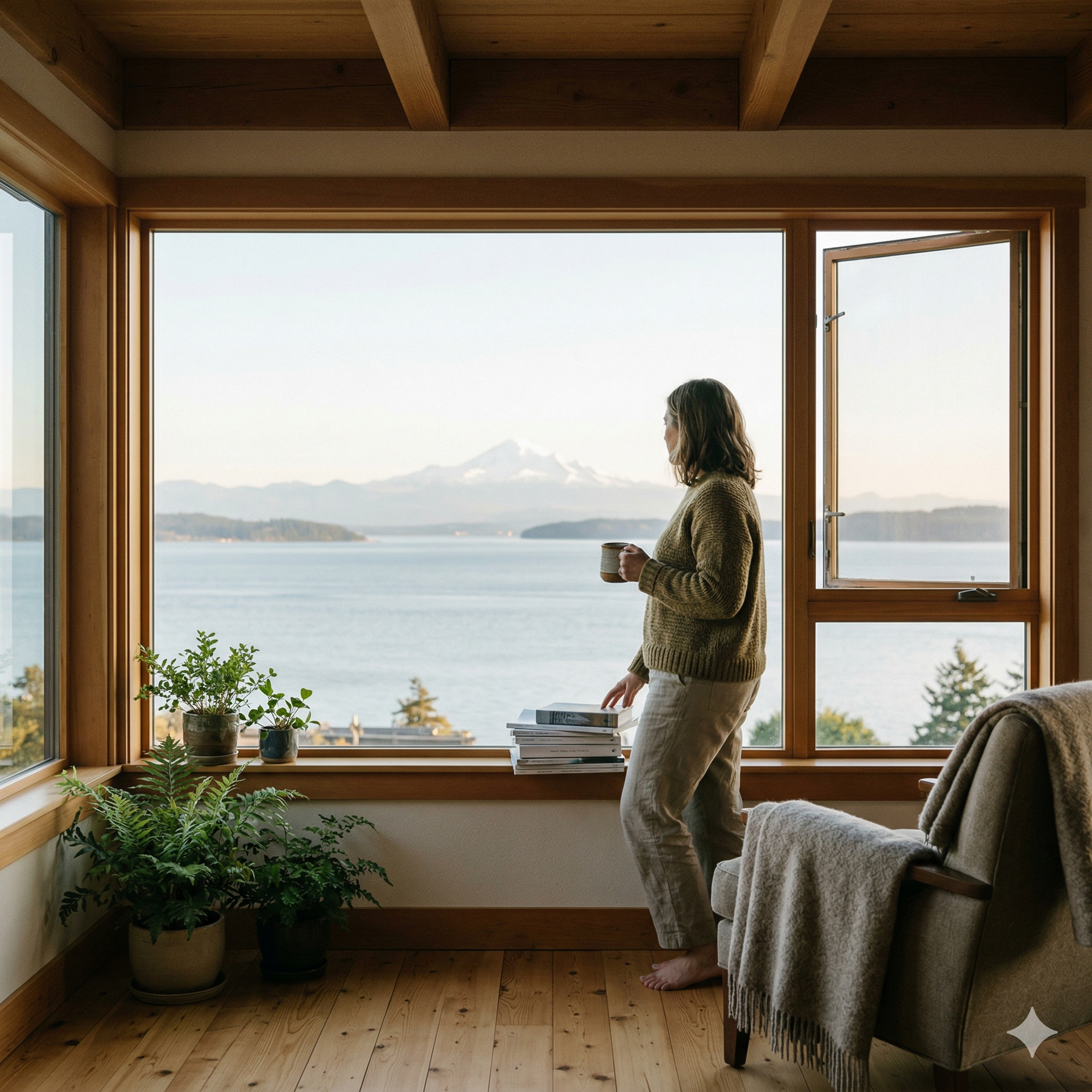
If you're asking whether aging in place is realistic in Bellingham, the answer is yes — and for many homeowners in Whatcom County, it's the right choice. With the right home modifications, local support services, and a little planning, staying in the home you love is not only possible but genuinely sustainable. This guide covers four practical tips for aging in place in Bellingham, including local resources specific to Whatcom County that many residents don't know about. What Does Aging in Place Mean? Aging in place means continuing to live independently in your own home as you get older, rather than moving to an assisted living facility or care community. It typically involves making targeted modifications to your home and connecting with support services that help maintain your safety, comfort, and quality of life. In Bellingham and Whatcom County, aging in place is supported by a strong network of local programs, walkable neighborhoods, and a tight-knit community that makes independent living more achievable than in many other regions. Tip 1: Start With Safety Modifications — These Make the Biggest Difference The most impactful aging in place changes are often the least expensive. Safety modifications reduce fall risk — the leading cause of injury among older adults — and make daily navigation significantly easier. Start with these high-priority changes: Bathrooms — Install grab bars near the toilet and inside the shower or tub. Add a walk-in shower if budget allows, along with anti-slip flooring in the tub or shower pan. Replace standard toilets with comfort-height models, which are several inches taller and meaningfully easier to sit down on and rise from. Lighting — Brighten dark hallways with higher-lumen bulbs. Place nightlights in outlets along every main traffic path, particularly between the bedroom and bathroom. Flooring — Remove loose rugs that can shift underfoot. Replace long-pile carpet with tight, low-pile or Berber styles that are easier to navigate with walkers or mobility aids. Hardware — Swap round door knobs for lever-style handles throughout the home. These require no grip strength and are far easier to operate for anyone with arthritis or limited hand mobility. If you need referrals to local contractors or handypersons in Whatcom County who specialize in these modifications, I maintain an updated list of trusted local tradespeople and am happy to connect you. The Whatcom Council on Aging (WCOA) is also an excellent resource for vetted local referrals and programs that help seniors live safely at home. Tip 2: Use Bellingham's Local Support Services — Most Residents Don't Know What's Available Whatcom County has an unusually strong network of services specifically designed to help older adults live independently. These aren't last-resort options — they're practical tools that make aging in place more sustainable. Whatcom Council on Aging (WCOA) — Provides transportation, home care coordination, housing guidance, and wellness programs for older adults throughout Whatcom County. Northwest Regional Council (NWRC) — Connects residents with vetted caregivers, home services, and Area Agency on Aging resources. A strong starting point if you're not sure what kind of help you need. Meals on Wheels of Whatcom County — Delivers nutritious meals to homebound residents and provides regular wellness contact — often the only daily check-in some seniors receive. Bellingham at Home — A volunteer-based, non-clinical in-home care program available to Whatcom County residents. Volunteers help with everyday tasks that make independent living easier, at no cost. Using these services isn't a sign of decline. It's smart planning — the same kind of planning that keeps people in their homes longer. I've seen firsthand how connecting with the right local resources early makes a genuine difference in how long and how comfortably longtime homeowners are able to stay in the homes they love. Tip 3: Stay Socially Connected — It's as Important as Physical Safety Social isolation is one of the most underestimated risks for older adults aging in place. Research consistently links social engagement with better cognitive health, lower rates of depression, and longer independent living. In Bellingham, the most accessible option is the Bellingham Senior Activity Center , which is open to anyone 50 and older for just $60 per year. Membership includes access to classes, events, wellness programs, social mixers, walking groups, and drop-in activities at Boulevard Park and elsewhere. If you're in another part of Whatcom County, the Whatcom County Senior Centers directory lists activity hubs in communities throughout the region, including Lynden, Ferndale, and Blaine. Staying connected doesn't require a big commitment. Even one regular activity — a weekly card game, a walking group, a class — creates the kind of routine social contact that supports long-term wellbeing. Tip 4: Build Your Support Network Before You Need It Aging in place works best when it's planned rather than reactive. Building a network of trusted people and services before a specific need arises gives you options and reduces the stress of figuring things out under pressure. Your network might include family members or neighbors who can check in regularly, a handyperson who knows your home and can address maintenance issues quickly, and one or two of the local services listed above that match your current or anticipated needs. The Northwest Regional Council is a good first call if you're not sure where to start. Their aging specialists can assess your situation and connect you with the specific combination of services that makes the most sense for your household. The goal isn't to ask for help with everything. It's to have help available for the things that matter — so that the rest of your daily life stays exactly as you want it. Frequently Asked Questions About Aging in Place in Bellingham How much does it cost to modify a home for aging in place in Whatcom County? Basic safety modifications — grab bars, lever handles, lighting upgrades, and rug removal — typically cost a few hundred to a few thousand dollars depending on scope. More significant changes like walk-in showers or stair lifts range from $3,000 to $15,000 or more. The Whatcom Council on Aging can connect residents with programs that may offset some of these costs. What local resources help seniors stay in their homes in Bellingham? The Whatcom Council on Aging, Northwest Regional Council, Meals on Wheels, and Bellingham at Home are the four most commonly used local resources. Each serves a different aspect of independent living, from nutrition and transportation to volunteer in-home care. Is aging in place better than moving to assisted living? For many people, yes — especially those with strong community ties, family nearby, and a home that can be reasonably modified. The right answer depends on individual health needs, home layout, and personal preference. A home evaluation by a certified aging in place specialist (CAPS) can help clarify what's realistic for a specific situation. The Bottom Line Aging in place in Bellingham is realistic, supported, and — for many homeowners — genuinely the best choice. It takes some planning, some targeted home modifications, and a willingness to connect with the excellent local resources Whatcom County has to offer. The four things that make the biggest difference: address safety first, use local support services, stay socially connected, and build your network before you need it. If you'd like local contractor referrals, help evaluating your home's aging-in-place potential, or simply want to talk through what your options look like — I'm happy to connect. This is exactly the kind of conversation I have with longtime Whatcom County homeowners, and there's no pressure and no agenda. Just good information. If you're trying to balance patience with smart action, start here: 👉 Start with a low-pressure home value and seller planning tool: https://www.andidyerrealestate.com/seller/valuation/ About the Author Andi Dyer is a Bellingham-based real estate broker with REMAX Whatcom County, specializing in helping longtime homeowners and sellers make confident, well-informed decisions. With a calm, data-driven approach and strong negotiation expertise, Andi focuses on protecting equity, reducing stress, and guiding sellers through the process with clarity and care. 📍 Serving Bellingham and all of Whatcom County  📞 Call or text: 360 • 734 • 6479 📧 Email: andi [at] andidyer [dot] com Zillow · Realtor.com · Homes.com · Google Business · Facebook · Instagram
By Andi Dyer April 1, 2026
If you're planning a move and trying to work backward from a closing date, one of the first questions you need answered is how long the process actually takes. The honest answer is that it depends — but in Bellingham and Whatcom County right now, there are some reliable patterns worth understanding before you start planning. The short answer: a well-priced, well-prepared home in Bellingham is typically going under contract somewhere between two and six weeks after listing. Add another three to five weeks for closing after an accepted offer, and you're looking at a total timeline of roughly six to eleven weeks from list date to keys changing hands — assuming things go smoothly. What's Really Going On in the Current Market A few years ago, homes in Bellingham were routinely going under contract in days — sometimes hours. Multiple offers, waived inspections, and above-asking prices compressed the timeline dramatically. That environment is largely behind us. Today's market moves at a more deliberate pace. Buyers are taking time to compare options, run their numbers carefully, and in many cases negotiate rather than compete. That doesn't mean homes aren't selling — they are — but the process has returned to something closer to a normal rhythm. The current median days on market in Whatcom County varies depending on price point, condition, and neighborhood, but most well-positioned homes are finding buyers within the first month. Homes that are overpriced or underprepared are sitting considerably longer — sometimes two to three months or more before either selling or being withdrawn. What This Looks Like in Bellingham and Whatcom County In Bellingham's more active neighborhoods — areas like Barkley, Cordata, Fairhaven, and the Lettered Streets — well-priced homes tend to move faster simply because buyer demand is more consistent there. Proximity to amenities, schools, and commute routes concentrates interest. In outlying areas of Whatcom County — Sudden Valley, rural Ferndale, properties with acreage outside city limits — the buyer pool is naturally smaller, and timelines tend to be longer. That's not a reflection of the home's quality; it's just a function of how many buyers are actively looking in those areas at any given time. Price point also matters. Homes in the $500,000–$650,000 range in Bellingham currently tend to see the most consistent buyer activity. Move-in ready homes in the $650,000–$800,000 range can move quickly when priced accurately, but they're more sensitive to condition and presentation. Above $800,000, the buyer pool narrows and timelines generally extend. When This Works Differently Seasonal patterns affect timelines in Whatcom County more than some sellers expect. Spring — roughly late February through June — typically brings the highest concentration of active buyers. Homes listed during this window often sell faster than the same home listed in November or January. That said, fall and winter listings aren't necessarily slow. Buyers who are looking in those months tend to be more motivated — they often have a specific reason to move rather than casually browsing. A well-priced home in October can sometimes find a serious buyer faster than an overpriced home listed in April. New construction also affects resale timelines in certain parts of Whatcom County. In areas where builders are active — parts of Ferndale, Lynden, and northern Bellingham — resale homes sometimes compete directly with new inventory, which can extend the time it takes to find a buyer. What I Advise Clients When a seller asks me how long it will take, I try to give them a realistic range rather than an optimistic number. Planning around a best-case timeline and then experiencing a longer process is stressful and can create problems — especially if you're trying to coordinate a purchase on the other end. I typically advise sellers to plan for a six to ten week process from the time they're ready to list, and to build some buffer into any downstream plans. If you're buying another home contingent on your sale, your lender and your agent on the buying side both need to understand that timeline. I also remind sellers that the first two weeks of a listing are the most valuable. If you're not getting showings in that window, it's usually a pricing or presentation issue — and the sooner you address it, the less time and leverage you lose. Why Planning and Timing Matter One of the most common mistakes sellers make is underestimating how long preparation takes before the home even hits the market. Getting the home ready, completing any priority repairs, arranging professional photography, and reviewing pricing data all take time. Sellers who rush that process often list before they're truly ready — and pay for it in days on market. A seller who gives themselves three to four weeks of preparation time before listing typically has a smoother, faster experience than one who decides to list and goes live within a week. The preparation time isn't wasted — it's what makes the active listing period shorter and more effective. The Bottom Line How long it takes to sell a home in Bellingham right now depends on price, preparation, location, and timing — but for a well-positioned home, the process from listing to closing typically runs six to eleven weeks. Homes that are overpriced or need significant attention take longer, sometimes considerably so. The sellers who move through the process most efficiently are the ones who go in with realistic expectations, prepare thoughtfully before listing, and price accurately from the start. That combination doesn't guarantee a fast sale, but it gives you the best possible chance of one. If you're starting to think through your timeline and want to understand where your home stands in today's market, a good first step is a realistic valuation. If you're trying to balance patience with smart action, start here: 👉 Start with a low-pressure home value and seller planning tool: https://www.andidyerrealestate.com/seller/valuation/  About the Author Andi Dyer is a Bellingham-based real estate broker with REMAX Whatcom County, specializing in helping longtime homeowners and sellers make confident, well-informed decisions. With a calm, data-driven approach and strong negotiation expertise, Andi focuses on protecting equity, reducing stress, and guiding sellers through the process with clarity and care. 📍 Serving Bellingham and all of Whatcom County 📞 Call or text: 360 • 734 • 6479 📧 Email: andi [at] andidyer [dot] com Zillow · Realtor.com · Homes.com · Google Business · Facebook · Instagram
By Andi Dyer March 31, 2026
Most sellers spend weeks thinking about price and very little time thinking about what a buyer actually experiences the moment they walk through the front door. That's understandable — price feels quantifiable and controllable. But the first impression a buyer forms inside your home happens in seconds, and it shapes everything that follows. The good news is that what buyers notice first isn't usually expensive to address. It's mostly about clarity, cleanliness, and how a space feels — not how much was spent on it. What's Really Going On in a Buyer's First Minutes Buyers make emotional decisions and justify them rationally afterward. That's not a criticism — it's just how people work. When a buyer walks into a home, they're not consciously running through a checklist. They're forming a feeling. Does this feel like home? Can I picture my life here? Does something feel off? That feeling gets formed fast — often within the first thirty to sixty seconds. And once it's formed, it's surprisingly hard to change. A buyer who walks in and immediately feels at ease will spend the rest of the showing looking for reasons to love the home. A buyer who walks in and feels vaguely uncomfortable will spend the rest of the showing looking for problems. Your job as a seller is to make that first thirty seconds work in your favor. What This Looks Like in Bellingham and Whatcom County I n the Pacific Northwest, buyers tend to be attuned to a specific set of sensory cues that reflect the region's character. Light matters enormously here. Bellingham doesn't always have abundant sunshine, so when a home feels bright and open — curtains pulled back, windows clean, dark corners addressed with lamps — it registers immediately and positively. Smell is the other major factor that local sellers sometimes underestimate. Homes in the Pacific Northwest can carry moisture, pet odors, or the subtle mustiness of older construction. Buyers notice this the instant they step inside, often before they've consciously registered anything else. A home that smells clean and neutral — not heavily perfumed, just fresh — starts the showing on solid footing. Beyond light and smell, buyers in Whatcom County are practical. They notice the condition of floors, the state of trim and paint, and whether the entryway feels welcoming or cluttered. These aren't luxury considerations — they're baseline signals about how well a home has been maintained. When This Works Differently Higher-end buyers in the $650,000–$800,000 range in Bellingham tend to have sharper eyes for finish quality. They'll notice if hardware is dated, if paint is scuffed, or if fixtures feel mismatched. For homes in that range, presentation needs to be a step above basic cleanliness — it needs to feel intentional and cohesive. At lower price points, buyers are often more forgiving of cosmetic imperfections, but they're still forming that same emotional first impression. A well-organized, clean, light-filled home at any price point outperforms a cluttered or dark one, almost without exception. Vacant homes present their own challenge. Without furniture and personal items, a home can feel cold and echo-y in a way that makes it harder for buyers to connect emotionally. In those cases, even minimal staging — a few pieces of furniture, some basic decor — can make a meaningful difference in how the space is perceived. What I Advise Clients When I prepare a seller for listing, I ask them to walk through their home as if they've never seen it before. Come in through the front door. Stand in the entryway for a moment. What do you see? What do you smell? Where does your eye go first? Most sellers are surprised by what they notice when they make that shift in perspective. A pile of shoes by the door that felt invisible for years. A smell they'd stopped registering. A dark hallway that sets a tone they hadn't considered. The fixes are usually simple. Declutter the entry. Clean the windows. Address any odors honestly and neutrally. Make sure every room has adequate light. Remove enough furniture that the space feels open rather than full. None of this requires a renovation. It requires attention. Why Planning and Timing Matter Sellers who give themselves two to three weeks before listing to walk through their home with fresh eyes — and address what they find — consistently report better early showing feedback than sellers who list quickly without that preparation. Early showing feedback matters more than most sellers realize. If the first five buyers through the door all mention the same thing, that's information you can act on. But if those five buyers came and went in the first week of your listing — your highest-traffic window — the opportunity to make a strong first impression on the most motivated buyers has already passed. Preparing before you list, rather than adjusting after feedback comes in, is almost always the better approach. The Bottom Line What buyers notice first when they walk into a home isn't usually the kitchen renovation or the updated bathrooms — those matter, but they come later in the showing. What buyers notice first is light, smell, and the overall feeling of the space. They decide in the first minute whether they're looking for reasons to love the home or reasons to leave. The sellers who understand this — and who take the time to address it before listing — give themselves a meaningful advantage in a market where buyers have options and aren't in a hurry. A thoughtful preparation process starts with understanding where your home stands today. If you're trying to balance patience with smart action, start here: 👉 Start with a low-pressure home value and seller planning tool: https://www.andidyerrealestate.com/seller/valuation/ About the Author Andi Dyer is a Bellingham-based real estate broker with REMAX Whatcom County, specializing in helping longtime homeowners and sellers make confident, well-informed decisions. With a calm, data-driven approach and strong negotiation expertise, Andi focuses on protecting equity, reducing stress, and guiding sellers through the process with clarity and care. 📍 Serving Bellingham and all of Whatcom County 📞 Call or text: 360 • 734 • 6479 📧 Email: andi [at] andidyer [dot] com Zillow · Realtor.com · Homes.com · Google Business · Facebook · Instagram
By Andi Dyer March 29, 2026
Most sellers don't set out to overprice their home. It usually happens gradually — a neighbor's sale that felt high, an optimistic estimate, a number that works better for your next move. The intention is reasonable. The result, unfortunately, often isn't. Overpricing is one of the most common and costly mistakes sellers make in Whatcom County right now. Not because the market is unforgiving, but because buyers are informed, patient, and have enough options to simply wait you out. What's Really Going On When a Home Is Overpriced The hidden cost of overpricing isn't just a slower sale. It's a series of compounding problems that tend to get worse the longer the home sits. It starts with the launch window. When your home first hits the market, it gets more attention than it will at any other point in its listing life. Buyers with saved searches, agents monitoring new inventory, and motivated shoppers who've been waiting — they all see it in that first week or two. If the price doesn't match what the market supports, most of them move on without ever scheduling a showing. What follows is a quiet but damaging stretch of time. Days on market accumulate. Buyers start to notice. In Whatcom County, where many buyers are working with experienced local agents, a listing that has been sitting for three or four weeks starts to raise questions. Is something wrong with it? Is there an inspection issue? Why hasn't it sold? The home hasn't changed. But its reputation in the market has. What This Looks Like Specifically in Whatcom County In the Bellingham area, buyer activity tends to be concentrated. There are only so many buyers looking in any given price range at any given time. When a home is priced above where the market places it, it gets filtered out of searches, skipped in favor of better-priced competition, and quietly deprioritized by agents who know their clients won't bite at that number. Communities like Lynden, Ferndale, and Blaine have even smaller buyer pools than Bellingham proper. In those markets, the cost of a slow start is amplified. There simply aren't as many buyers cycling through, which means each week of sitting carries more weight. The $650,000–$800,000 range in Bellingham is particularly price-sensitive right now. Buyers at that level are typically well-researched and financially stretched enough that they're not inclined to pay above market. They'll wait. When Pricing High Can Make Sense There are legitimate situations where listing above recent comps is a reasonable strategy. If your home has meaningful upgrades — a recently renovated kitchen, a finished basement, a new roof, or exceptional outdoor space — that genuinely distinguish it from comparable sales, a higher price may be supportable. Unique properties with waterfront access, acreage, or panoramic views also operate differently. The buyer pool is smaller, but those buyers are often willing to pay for what they can't find elsewhere. Patience in those cases can be a genuine strategy rather than a mistake. The key distinction is whether the higher price reflects real, demonstrable value — or hope. One is a pricing strategy. The other is a liability. What I Advise Clients When I work with sellers on pricing, I try to reframe the question. Instead of asking "what do we want for this home," I ask "what will a buyer actually pay, given what else is available right now?" Those two questions often produce different numbers. And the gap between them is where overpricing lives. I also walk sellers through what a price reduction actually costs — not just emotionally, but financially. A home that sits for eight weeks and then reduces by $25,000 has often cost the seller more than that in carrying costs, negotiating leverage lost, and the stigma of a stale listing. In many cases, pricing accurately from the start would have produced a higher net proceeds than the optimistic launch followed by a reduction. The math usually makes the case better than anything I can say. Why Planning and Timing Matter Sellers who invest time upfront in understanding their market — reviewing genuine recent comparables, honestly assessing their home's condition, and setting a price anchored in data rather than hope — consistently do better than sellers who price high and plan to negotiate down. Part of this is psychological. A well-priced home that generates early interest gives the seller confidence and leverage. Multiple showings in the first week, even without multiple offers, signal that the price is right and that the seller is in a strong position. Timing plays into this too. Listing in a period of stronger buyer activity — typically spring in Whatcom County — gives an accurate price the best possible environment to perform. Overpricing in a strong season wastes the advantage. Overpricing in a slow season compounds it. The Bottom Line The hidden cost of overpricing isn't always visible on a spreadsheet. It shows up in the weeks that pass without showings, the price reduction that feels like defeat, the buyer who lowballs because the listing has been sitting, and the final sale price that ends up below where an accurate launch would have landed. Pricing well from the start isn't about leaving money on the table. It's about putting yourself in the best position to protect it. If you're thinking about selling in Whatcom County and want an honest, data-grounded look at what your home is worth today, that's exactly what the tool below is designed for. If you're trying to balance patience with smart action, start here: 👉 Start with a low-pressure home value and seller planning tool: https://www.andidyerrealestate.com/seller/valuation/ About the Author Andi Dyer is a Bellingham-based real estate broker with REMAX Whatcom County, specializing in helping longtime homeowners and sellers make confident, well-informed decisions. With a calm, data-driven approach and strong negotiation expertise, Andi focuses on protecting equity, reducing stress, and guiding sellers through the process with clarity and care. 📍 Serving Bellingham and all of Whatcom County 📞 Call or text: 360 • 734 • 6479 📧 Email: andi [at] andidyer [dot] com Zillow · Realtor.com · Homes.com · Google Business · Facebook · Instagram
By Andi Dyer March 29, 2026
If you've noticed homes staying listed longer than they used to, you're not imagining it. In Bellingham and across Whatcom County, some properties are sitting on the market for weeks — occasionally months — without selling. That's a shift from the frenetic pace of the past few years, and it's understandably making some sellers nervous. The short answer: homes are sitting when they're overpriced, underprepared, or both. The longer answer involves a market that has quietly reset, and buyers who now have the time and leverage to be selective. What's really going on in the market right now For much of 2020 through 2022, almost anything listed in Bellingham sold quickly — often with multiple offers and above asking price. That environment trained a lot of sellers (and some agents) to assume the market would do the heavy lifting. That's no longer the case. Mortgage rates have been elevated compared to the historic lows buyers enjoyed a few years ago, which means monthly payments are significantly higher on the same purchase price. Buyers are more cautious. They're running the numbers carefully, and they're walking away from homes that feel overpriced or that need more work than they're budgeted for. At the same time, more inventory has come onto the market. Sellers who waited out the pandemic years are now listing. That means buyers have more choices — and more choices means more homes getting passed over. What this looks like specifically in Bellingham and Whatcom County In the Bellingham area, the homes sitting longest tend to fall into a few recognizable categories. Homes priced at the top of their neighborhood range, or priced based on what a neighbor sold for eighteen months ago, are often sitting. The market has shifted enough that yesterday's comps don't always support today's asking price. Homes that need significant work — deferred maintenance, dated kitchens, older roofs — are also lingering, especially at higher price points. Buyers who are already stretching their budget for a mortgage don't have a lot left over for repairs. If the price doesn't reflect the condition, they'll move on. And in some cases, homes are sitting simply because of presentation. Poor photos, limited showing availability, or a cluttered online listing can cause buyers to skip over a home entirely, even if the price is fair. In areas like Ferndale, Lynden, and Blaine, the dynamics are similar but can vary based on how much new construction is competing for the same buyers. When this works differently Not every home in Bellingham is sitting. Well-priced, well-presented homes in desirable neighborhoods are still selling — some of them fairly quickly. Move-in ready properties in the $450,000–$650,000 range, in particular, tend to attract attention when they're priced accurately and marketed well. Unique properties — homes with acreage, waterfront access, or strong views — operate in their own micro-market and don't always follow the same patterns as typical residential listings. These homes often take longer even in strong markets, simply because the buyer pool is smaller by nature. If your home is in excellent condition and priced accurately, the current market is more forgiving than the headlines might suggest. Buyers are out there. They're just more deliberate. What I advise clients When a seller comes to me asking why homes are sitting, I typically walk through three things with them. First, we look at pricing honestly. Not what you hope the home is worth, not what it sold for in 2022 — what comparable homes have actually sold for in the past sixty to ninety days. That number matters more than any other. Second, we look at condition and presentation. A home that needs work isn't unsellable, but it needs to be priced to reflect that reality. Buyers will factor in repair costs and then some. Pricing as though the home is move-in ready when it isn't is one of the most common reasons homes stall. Third, we look at marketing. In a market where buyers have time to be selective, first impressions matter more than they did when inventory was tight. Professional photos, accurate and compelling copy, and strong digital visibility all make a measurable difference. The homes sitting longest right now are often the ones where one or more of these three things is off. The good news is that all three are fixable. Why planning and timing still matter Sellers who take a few weeks to prepare — pricing thoughtfully, handling high-priority repairs, and presenting the home well — are consistently outperforming sellers who list quickly without much preparation. There's a real cost to sitting on the market. Beyond the carrying costs of mortgage payments, taxes, and utilities, a home that lingers accumulates a stigma. Buyers start to wonder what's wrong with it. Price reductions become necessary, and those reductions often feel larger than the amount you might have saved by pricing accurately from the start. Timing still plays a role too. Spring typically brings more buyer activity in Whatcom County. Listing with a plan — and with realistic expectations — tends to produce better outcomes than listing in a hurry and hoping for the best. The bottom line Some homes are sitting in Bellingham right now because the market has shifted, and not every seller or listing has caught up to that reality. Buyers have more choices and less urgency. They're prioritizing value, condition, and move-in readiness in ways they simply didn't have to a few years ago. The sellers doing well are the ones who've taken an honest look at their price, prepared their home thoughtfully, and marketed it professionally. That approach isn't complicated — but it does require some planning. If you're thinking about selling and want a realistic picture of where your home stands today, a good first step is understanding your current value in this market. Find out what your home is worth today → About the author Andi Dyer is a Bellingham-based real estate broker with RE/MAX Whatcom County, specializing in helping longtime homeowners make confident, well-informed decisions. Her approach combines clear market insight, thoughtful planning, and strong negotiation to protect equity and reduce stress. 📍 Bellingham + all of Whatcom County  📞 360 • 734 • 6479 📧 andi [at] andidyer [dot] com If you're trying to balance patience with smart action, start here: 👉 Start with a low-pressure home value and seller planning tool Zillow · Realtor.com · Homes.com · Google Business · Facebook · Instagram
By Andi Dyer March 24, 2026
Patience is often recommended to sellers, but it’s rarely explained. There’s a meaningful difference between patience that protects your leverage and passivity that slowly gives it away. Understanding that difference helps sellers remain calm and effective at the same time. Why patience can quietly turn into inaction When activity slows, sellers are often told to “wait it out.” Waiting can be appropriate, but without intention it can turn into avoidance. Weeks pass. Feedback piles up. Momentum fades. By the time action is taken, the market has already formed an opinion. Patience should be active, not inert. What active patience looks like Active patience means monitoring signals, not just time. It means watching showing patterns, listening for repeated feedback themes, and tracking how competing listings are performing. It also means preparing mentally for next steps rather than being surprised by them. Sellers who practice active patience feel steady without feeling stuck. What passive waiting looks like Passive waiting usually shows up as hoping something changes without changing anything. Sellers may resist adjustments because “it hasn’t been that long,” even when early signals are clear. This approach often leads to deeper changes later, when leverage has already shifted. Why steady sellers outperform reactive ones Sellers who stay engaged without overreacting tend to make better decisions. They adjust deliberately rather than emotionally. That steadiness is felt by buyers, even if it’s never spoken aloud. Confidence, even quiet confidence, attracts action. A planning-forward reframe Instead of asking, “Should we just wait?” ask: “What would we be watching for if waiting stopped being the right move?” That question keeps patience purposeful. ABOUT THE AUTHOR Andi Dyer is a Bellingham-based real estate broker with RE/MAX Whatcom County, specializing in helping longtime homeowners and sellers make confident, well-informed decisions. With a calm, data-driven approach and strong negotiation expertise, Andi focuses on protecting equity, reducing stress, and guiding sellers through the process with clarity and care. 📍 Serving Bellingham and all of Whatcom County 📞 Call or text: 360 • 734 • 6479 📧 Email: andi [at] andidyer [dot] com If you’re trying to balance patience with smart action, start here: 👉 Start with a low-pressure home value and seller planning tool here: https://www.andidyerrealestate.com/seller/valuation/ Zillow: https://www.zillow.com/profile/AndiDyer Real t or.com: https://www.realtor.com/realestateagents/andi-dyer Homes.com: https://www.homes.com/real-estate-agents/andi-dyer Google Business Profile: https://g.page/andi-dyer-real-estate Facebook: https://www.facebook.com/AndiDyerRealEstate Instagram: https://www.instagram.com/andi.dyer
By Andi Dyer March 23, 2026
The phrase “sell as-is” sounds simple. For many sellers, it’s deeply appealing because it promises less work, fewer decisions, and a faster path to closing a chapter. But “as-is” doesn’t actually mean the same thing to sellers, buyers, and the market, which is why this choice can feel confusing even for confident homeowners. In Whatcom County, this decision often comes down to something more practical than pride or perfection: how much uncertainty you’re willing to carry into negotiations. Repairs and improvements aren’t only about making a home nicer. They can also be about reducing buyer fear and preventing small issues from becoming big leverage points later. What “as-is” really means in practice Selling as-is typically means you’re not committing to make repairs after the inspection. It does not mean a buyer can’t inspect, and it doesn’t prevent buyers from asking. It simply sets an expectation about your willingness to address issues. That expectation can attract the right buyer or scare off the wrong one, depending on the home and price point. A common misconception is that “as-is” is only for distressed properties. In reality, some well-maintained homes still sell as-is because the seller values simplicity and the home is priced in a way that makes the condition clear. The key is that the market has to feel the story makes sense. When repairs tend to be worth it Repairs are most worth considering when they reduce uncertainty around health, safety, or water intrusion. In Bellingham and the county, this often includes things like active leaks, electrical concerns that look scary on paper, or deferred maintenance that buyers interpret as “what else am I not seeing?” Even if a repair isn’t expensive, the fear it creates can be. In these cases, a seller who handles a few key items up front often gets a smoother path through inspection negotiations. The home doesn’t need to be perfect. It needs to feel responsibly cared for. When “as-is” can be the smarter move “As-is” can be smart when repairs would be expensive, disruptive, or unlikely to return value. If a home needs major work, trying to do partial fixes sometimes creates a weird middle ground where the home still feels like a project but now carries a higher price tag. Buyers can be oddly allergic to that. “As-is” also makes sense for sellers who prefer certainty and simplicity, especially if the pricing and marketing set expectations clearly. The right buyers aren’t scared by an honest home. They’re scared by surprises. A planning-forward way to decide Instead of asking, “Should I fix things or not?” try asking: “Which items would become a negotiation problem later if I leave them alone?” That approach keeps you focused on leverage, not perfection. It also helps you spend time and money where it actually improves your outcome. ABOUT THE AUTHOR Andi Dyer is a Bellingham-based real estate broker with RE/MAX Whatcom County, specializing in helping longtime homeowners and sellers make confident, well-informed decisions. With a calm, data-driven approach and strong negotiation expertise, Andi focuses on protecting equity, reducing stress, and guiding sellers through the process with clarity and care. 📍 Serving Bellingham and all of Whatcom County 📞 Call or text: 360 • 734 • 6479 📧 Email: andi [at] andidyer [dot] com If you’re wondering what’s worth repairing and what’s just going to drain your energy, start here: 👉 Start with a low-pressure home value and seller planning tool here: https://www.andidyerrealestate.com/seller/valuation/ Zillow: https://www.zillow.com/profile/AndiDyer Re a ltor.com: https://www.realtor.com/realestateagents/andi-dyer Homes.com: https://www.homes.com/real-estate-agents/andi-dyer Google Business Profile: https://g.page/andi-dyer-real-estate Facebook: https://www.facebook.com/AndiDyerRealEstate Instagram: https://www.instagram.com/andi.dyer
By Andi Dyer March 22, 2026
Many sellers say they’re “just not ready yet,” and often that’s true. But sometimes what’s holding people in place isn’t a clear strategy. It’s comfort. Familiarity. The quiet reassurance of staying where things are known. There’s nothing wrong with comfort. The challenge is mistaking it for a long-term plan. Why comfort is such a powerful force Homes are predictable. You know the quirks, the neighbors, the routines. Even when a home is more space than you need or more work than you want, it offers emotional certainty. Change, on the other hand, introduces questions. Where will I go? Will I like it? Will I regret this? Comfort keeps those questions at bay. When comfort quietly becomes costly Over time, comfort can carry hidden costs. Maintenance increases. Stairs become harder. Space that once felt expansive can start to feel like a burden. None of this happens overnight, which is why it’s easy to ignore. But comfort that delays thoughtful planning can eventually limit options. How to tell whether staying is a choice or a default A helpful distinction is whether staying feels like an active decision or a passive one. If you’ve considered alternatives, understand the tradeoffs, and still choose to stay, that’s strategy. If staying happens because planning feels overwhelming or emotionally charged, that’s something worth exploring gently. Why exploring doesn’t force action Many sellers avoid thinking about alternatives because they fear it will push them into a decision. In reality, exploring options often creates more peace, not less. Information rarely forces action. It usually creates choice. A planning-forward reframe Instead of asking, “Should I sell?” try asking: “If I stay, what am I choosing to carry forward?” That question brings clarity without pressure. ABOUT THE AUTHOR Andi Dyer is a Bellingham-based real estate broker with RE/MAX Whatcom County, specializing in helping longtime homeowners and sellers make confident, well-informed decisions. With a calm, data-driven approach and strong negotiation expertise, Andi focuses on protecting equity, reducing stress, and guiding sellers through the process with clarity and care. 📍 Serving Bellingham and all of Whatcom County 📞 Call or text: 360 • 734 • 6479 📧 Email: andi [at] andidyer [dot] com If you’re thinking about staying put but want to understand what that choice really means long-term, start here: 👉 Start with a low-pressure home value and seller planning tool here: https://www.andidyerrealestate.com/seller/valuation/ Zillow: https://www.zillow.com/profile/AndiDyer Rea l tor.com: https://www.realtor.com/realestateagents/andi-dyer Homes.com: https://www.homes.com/real-estate-agents/andi-dyer Google Business Profile: https://g.page/andi-dyer-real-estate Facebook: https://www.facebook.com/AndiDyerRealEstate Instagram: https://www.instagram.com/andi.dyer
By Andi Dyer March 21, 2026
Even sellers who are confident, organized, and prepared are often surprised by how emotionally draining the process feels. It’s not because they made a mistake. It’s because selling touches multiple layers of life at once. Understanding why stress shows up can make it easier to manage. Why selling creates layered stress Selling a home combines financial decisions, emotional attachment, public evaluation, and logistical complexity. Each of those alone can be manageable. Together, they amplify one another. Add deadlines, feedback, and uncertainty, and stress becomes a natural response, not a sign of weakness. How stress shows up for sellers Stress often appears as irritability, indecision, or a desire to rush or avoid decisions altogether. Sellers may feel unusually sensitive to feedback or frustrated by small delays. Recognizing these reactions as normal helps prevent self-criticism and burnout. Why preparation doesn’t eliminate stress entirely Even the most prepared sellers experience stress. Preparation reduces chaos, but it doesn’t remove emotion. What preparation does provide is a sense of agency. When you understand what’s happening and why, stress becomes more manageable. How to create steadiness during the process Building in time, asking questions early, and allowing yourself to slow down decisions when needed all help regulate stress. Support matters too. Selling doesn’t need to be a solo effort. A planning-forward reframe Instead of asking, “Why is this so stressful?” it can help to ask: “What part of this feels hardest right now, and what would make it feel lighter?” That question turns stress into information rather than something to fight. ABOUT THE AUTHOR Andi Dyer is a Bellingham-based real estate broker with RE/MAX Whatcom County, specializing in helping longtime homeowners and sellers make confident, well-informed decisions. With a calm, data-driven approach and strong negotiation expertise, Andi focuses on protecting equity, reducing stress, and guiding sellers through the process with clarity and care. 📍 Serving Bellingham and all of Whatcom County 📞 Call or text: 360 • 734 • 6479 📧 Email: andi [at] andidyer [dot] com If the emotional side of selling feels heavier than expected, a calmer starting point can help: 👉 Start with a low-pressure home value and seller planning tool here: https://www.andidyerrealestate.com/seller/valuation/ Zillow: https://www.zillow.com/profile/AndiDyer Rea l tor.com: https://www.realtor.com/realestateagents/andi-dyer Homes.com: https://www.homes.com/real-estate-agents/andi-dyer Google Business Profile: https://g.page/andi-dyer-real-estate Facebook: https://www.facebook.com/AndiDyerRealEstate Instagram: https://www.instagram.com/andi.dyer
By Andi Dyer March 19, 2026
Many homeowners delay selling because they want one more good year. One more year of appreciation. One more year of low disruption. One more year before making a big change. On the surface, that reasoning sounds prudent. Underneath it, though, is often an assumption that time reliably improves outcomes. In real estate, time doesn’t automatically work in your favor. It changes the variables. How “waiting” quietly shifts risk When sellers wait, several things tend to change at once. Maintenance costs increase. Personal tolerance for repairs often decreases. Market conditions evolve in ways no one controls. What felt manageable this year can feel heavy next year, even if prices are similar. The risk isn’t that the market will collapse. The risk is that flexibility narrows. Choices become fewer, not because the home lost value, but because the seller’s energy, timeline, or options changed. Why good markets don’t repeat on command Sellers often assume that if conditions are good now, they’ll be good again later. Markets don’t move on schedules that align with personal plans. Interest rates, buyer demand, and inventory levels can shift independently of home value. Waiting for the “same” conditions often means accepting a different mix of pros and cons, even if prices look similar on paper. The emotional cost of delayed decisions Indecision has a cost that doesn’t show up in spreadsheets. Carrying a maybe-decision for years creates background stress. It becomes mental clutter. Sellers often don’t notice how much energy it consumes until the decision is finally made. Planning doesn’t require acting immediately. But it does reduce the weight of uncertainty. A planning-forward reframe Instead of asking, “What if next year is better?” ask: “What would need to be true next year for waiting to have been the right choice?” If that answer depends entirely on things you can’t control, it’s worth pausing and reassessing. ABOUT THE AUTHOR Andi Dyer is a Bellingham-based real estate broker with RE/MAX Whatcom County, specializing in helping longtime homeowners and sellers make confident, well-informed decisions. With a calm, data-driven approach and strong negotiation expertise, Andi focuses on protecting equity, reducing stress, and guiding sellers through the process with clarity and care. 📍 Serving Bellingham and all of Whatcom County 📞 Call or text: 360 • 734 • 6479 📧 Email: andi [at] andidyer [dot] com If you’re debating whether waiting truly serves your goals, start here: 👉 Start with a low-pressure home value and seller planning tool here: https://www.andidyerrealestate.com/seller/valuation/ Zillow: https://www.zillow.com/profile/AndiDyer Rea l tor.com: https://www.realtor.com/realestateagents/andi-dyer Homes.com: https://www.homes.com/real-estate-agents/andi-dyer Google Business Profile: https://g.page/andi-dyer-real-estate Facebook: https://www.facebook.com/AndiDyerRealEstate Instagram: https://www.instagram.com/andi.dyer
More Posts