Craft Your Financial Legacy with Real Estate

Expert Guidance to Buy/Invest and Sell in Bellingham and Whatcom County

Scroll Down

Meet Andi Dyer


Welcome! I'm Andi Dyer, dedicated to helping you craft a financial legacy through real estate in Bellingham and Whatcom County. With a legacy of integrity established by my father in 1991, I bring a commitment to excellence and a background in Business Management, coupled with my expertise as a Master Certified Negotiation Expert. My approach centers on clear communication, trust, and strategic investments, guiding you seamlessly through every step of your real estate journey.


Beyond real estate, I’m deeply involved in community development, serving on boards like the Whatcom Women in Business and Whatcom Housing Alliance. I also lead social initiatives, including The Dyer Family Friendship School in Cambodia, which fosters education and sustainable community growth. My global travels across over 40 countries enrich my perspective, allowing me to bring diverse insights and connections to my work. Let’s connect to explore how the Northwest can be the perfect foundation for your legacy.

Headshot of Bellingham Managing Broker Andi Dyer, a blonde woman smiling warmly while wearing a white blazer and gold-and-blue floral dress, seated in a bright, welcoming Whatcom County home.

Discover Real Estate Resources

Navigate your home buying or selling journey with ease. Our curated resources page offers direct links to property maps, zoning info, water rights, and more—everything you need to make informed real estate decisions in Northwest Washington.

What is my home worth?


Find out the worth of your home and get the most accurate valuation.

Free Market Analysis

Featured Listings

Still looking for the perfect home?

Search ALL the listings

Check out the competition or browse available properties. Questions? We are here to help.

Search Properties Search Properties
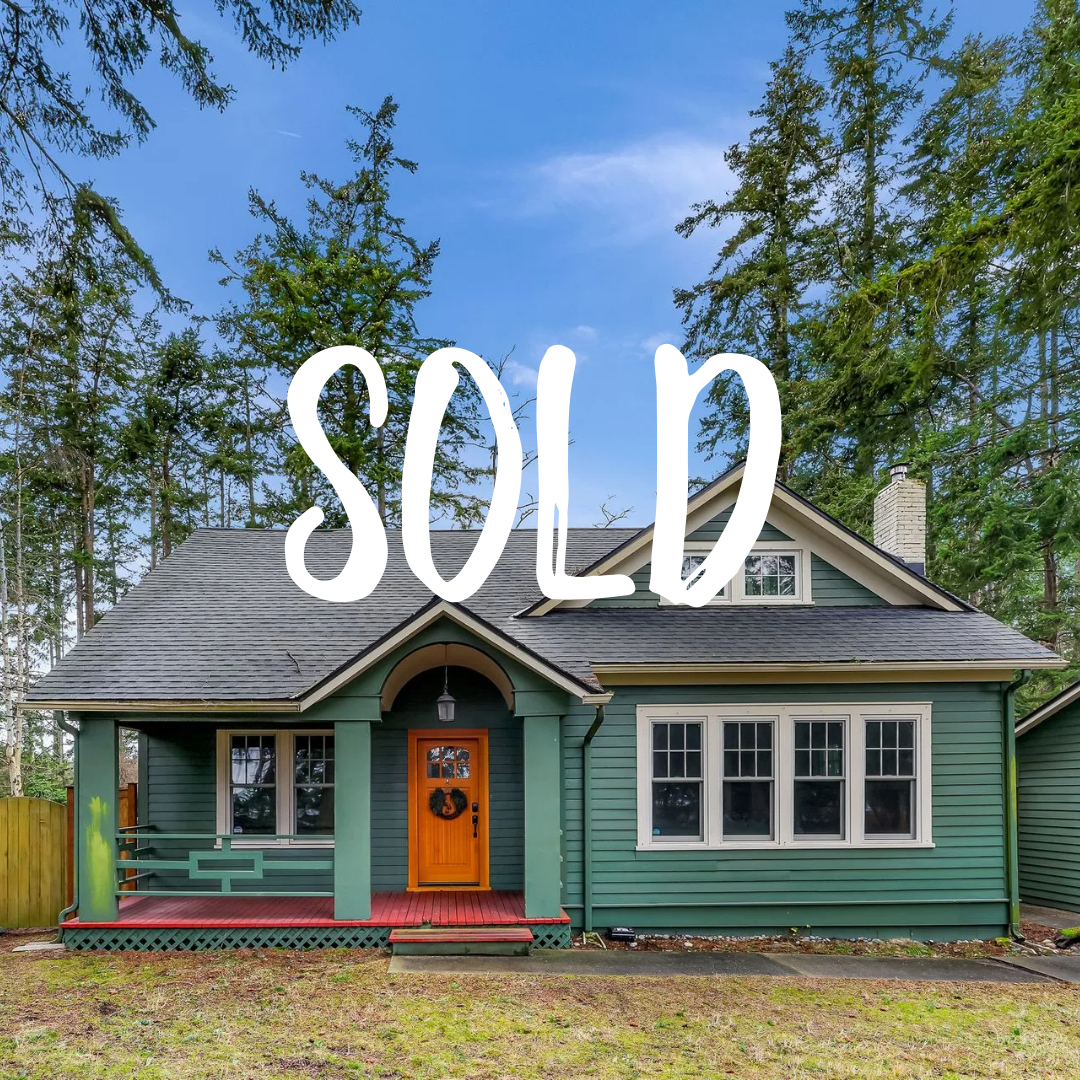
A large house with a lush green lawn in front of it.

WHAT PEOPLE ARE SAYING ABOUT ANDI


Andi is a great communicator, takes great care of her clients and is passionate about building our community in a positive way!

Andi is very knowledgeable and professional. She cares about people and finding solutions that fit everyone's needs. She is a loyal problem solver who will have your back. Definitely recommend!

I’ve worked with Andi as the realtor on the other side of the transaction. She is highly professional and advocates for her clients. Her reputation in our industry is well-deserved, and it is a pleasure to collaborate with her.

Sign up for our newsletter

Be the first to know about our newest listings! Our newsletter is helpful, never annoying. Local, never boring. Exclusive, never spammy. Just expert real estate tips, fun giveaways, and the best of Whatcom County.

Stay Updated: andi's Latest Real Estate Articles

By Andi Dyer March 15, 2026
This question comes up constantly in negotiations, and it’s not always obvious which option is better. Sellers often assume doing the repair is the “cleaner” move because it removes an issue and keeps the deal moving. Buyers often assume a credit is better because it gives them control. Both instincts can be right, and the best choice depends on what kind of problem you’re dealing with. In Whatcom County transactions, credits are common, but they need to be handled thoughtfully. A credit that feels reasonable to a seller can still feel risky to a buyer if it doesn’t actually solve the underlying concern. Why buyers often ask for a credit Credits allow buyers to choose their own contractor, timeline, and level of finish. That matters when the repair is subjective, like flooring, cosmetic drywall, or an older appliance that technically works but feels like a looming expense. Buyers also like credits when repairs could delay closing or trigger re-inspection headaches. But buyers don’t always want credits. When the issue is safety-related or moisture-related, many buyers prefer the seller handle it so they aren’t taking on an unknown risk immediately after closing. When repairing is usually the better move Repairs are often better when the issue is clear, definable, and reasonably contained. Think: a known plumbing fix, an electrical item that’s straightforward, or a repair that would scare off the buyer’s lender or insurance provider if left unresolved. In these situations, doing the repair can reduce friction and keep the buyer’s confidence intact. It also prevents “credit inflation,” where buyers ask for more than the repair cost because they’re pricing in uncertainty. When a credit is usually the better move Credits are often better when the repair involves taste, choice, or unknown scope. Flooring is a classic example. So are older systems where a buyer wants to decide whether to repair or replace. Credits can also be smart when timing matters and you don’t want contractor schedules to become the reason closing gets delayed. The main risk is being vague. The credit should be tied to something specific, with documentation when possible, so both sides feel grounded in reality. A planning-forward reframe Instead of asking, “Which option is easiest?” try asking: “Which option reduces uncertainty for the buyer without creating new uncertainty for me?” That’s the real balancing act. When both sides feel the path is clear, negotiations tend to stay calm and constructive. ABOUT THE AUTHOR Andi Dyer is a Bellingham-based real estate broker with RE/MAX Whatcom County, specializing in helping longtime homeowners and sellers make confident, well-informed decisions. With a calm, data-driven approach and strong negotiation expertise, Andi focuses on protecting equity, reducing stress, and guiding sellers through the process with clarity and care. 📍 Serving Bellingham and all of Whatcom County 📞 Call or text: 360 • 734 • 6479 📧 Email: andi [at] andidyer [dot] com If you’re heading into negotiations and want to know what’s normal, what’s strategic, and what’s unnecessary, start here: 👉 Start with a low-pressure home value and seller planning tool here: https://www.andidyerrealestate.com/seller/valuation/ Zillow: https://www.zillow.com/profile/AndiDyer Re a ltor.com: https://www.realtor.com/realestateagents/andi-dyer Homes.com: https://www.homes.com/real-estate-agents/andi-dyer Google Business Profile: https://g.page/andi-dyer-real-estate Facebook: https://www.facebook.com/AndiDyerRealEstate Instagram: https://www.instagram.com/andi.dyer
By Andi Dyer March 14, 2026
Inspection negotiations are where many sellers feel the most exposed. It can feel personal, even when it isn’t. A buyer requests repairs, credits, or changes, and suddenly the home you’ve lived in for years is being discussed like a list of problems. That moment is emotionally charged for a reason. It combines money, judgment, uncertainty, and timing all at once. Why inspection requests feel so intense Inspections arrive after a seller has already done a lot of work. You’ve cleaned, prepared, shown the home, chosen an offer, and started imagining the next chapter. Then the inspection report arrives and can feel like it yanks you backwards. It’s easy to react quickly. The better move is to slow down, because this stage is where strategy matters. What inspection requests usually mean Most inspection requests are not a buyer trying to “win.” They’re a buyer trying to reduce fear. Buyers often fixate on: Safety concerns Water or moisture risk Structural worries Electrical or system concerns Big-ticket items they can’t mentally price in Cosmetic issues might appear in reports, but they’re usually not the real driver unless they hint at bigger concerns. The difference between a real issue and a negotiation opener A skilled response separates: “This is legitimate and should be addressed or credited” from “This is a preference or maintenance item that doesn’t justify a concession” Sellers lose leverage when they treat every item as equal. Buyers feel safer when sellers acknowledge the important items calmly and clearly. What sellers can control in this moment You can control three things: The tone of the response The clarity of what you’re willing to do The quality of your supporting information (bids, invoices, scope) Even if you don’t agree to everything, a thoughtful response often keeps the buyer engaged and prevents the negotiation from becoming emotional. A common misconception Many sellers believe the “right” response is either: agree to everything to keep the deal, or refuse everything to stay strong. Both extremes can backfire. The most effective approach is almost always selective, grounded, and well-supported. A planning-forward reframe Instead of asking, “Should I give them what they want?” ask: “Which requests reduce real risk for the buyer, and which ones are simply preferences?” That distinction is where confident negotiation lives. ABOUT THE AUTHOR Andi Dyer is a Bellingham-based real estate broker with RE/MAX Whatcom County, specializing in helping longtime homeowners and sellers make confident, well-informed decisions. With a calm, data-driven approach and strong negotiation expertise, Andi focuses on protecting equity, reducing stress, and guiding sellers through the process with clarity and care. 📍 Serving Bellingham and all of Whatcom County 📞 Call or text: 360 • 734 • 6479 📧 Email: andi [at] andidyer [dot] com If you want a steady plan for inspection negotiation without overreacting, start here: 👉 Start with a low-pressure home value and seller planning tool here: https://www.andidyerrealestate.com/seller/valuation/ Zillow: https://www.zillow.com/profile/AndiDyer Real t or.com: https://www.realtor.com/realestateagents/andi-dyer Homes.com: https://www.homes.com/real-estate-agents/andi-dyer Google Business Profile: https://g.page/andi-dyer-real-estate Facebook: https://www.facebook.com/AndiDyerRealEstate Instagram: https://www.instagram.com/andi.dyer
By Andi Dyer March 12, 2026
Price reductions are one of the most emotionally charged moments in a listing. For many sellers, the idea alone feels like failure, even when the home has only been on the market a short time. That emotional reaction can make it hard to tell the difference between a thoughtful adjustment and a reactive one. In reality, price reductions happen in two very different ways. One strengthens your position. The other quietly gives leverage away. Why price reductions feel personal A price is public. Neighbors see it. Buyers see it. Friends notice it. When that number changes, it can feel like a public correction rather than a strategic choice. Sellers often internalize the shift as “the market rejected my home,” even when what’s really happening is simply feedback arriving faster than expected. This emotional framing is what turns smart adjustments into panic moves. The problem isn’t the reduction itself. It’s the mindset behind it. What a strategic price reduction actually looks like A strategic price reduction is based on specific signals , not discomfort. It usually happens early enough that the listing hasn’t developed a reputation yet. The adjustment is large enough to reposition the home into a more active search bracket rather than just shaving a token amount off the price. Most importantly, it’s paired with renewed visibility. That might include refreshed photos, repositioned marketing language, or clearer messaging about value. The goal is to make the home feel newly relevant, not quietly discounted. What a panic reduction looks like Panic reductions tend to be small, repeated, and reactive. They’re often made because a seller is uncomfortable with silence rather than because the data supports the change. Buyers interpret this pattern quickly. Instead of seeing value, they see hesitation. Once buyers sense hesitation, they often wait. Waiting erodes momentum far more than a single, decisive move ever would. Why timing matters more than pride The strongest buyer interest typically occurs early in a listing’s life. If pricing is misaligned during that window, correcting course quickly can preserve leverage. Waiting too long out of pride often leads to deeper concessions later, when buyers feel they have more power. This isn’t about underpricing. It’s about aligning with buyer behavior while you still have their attention. A planning-forward reframe Instead of asking, “Should I reduce the price?” ask: “What is the market telling us right now, and how do we respond in a way that restores momentum?” That question keeps decisions strategic rather than emotional. ABOUT THE AUTHOR Andi Dyer is a Bellingham-based real estate broker with RE/MAX Whatcom County, specializing in helping longtime homeowners and sellers make confident, well-informed decisions. With a calm, data-driven approach and strong negotiation expertise, Andi focuses on protecting equity, reducing stress, and guiding sellers through the process with clarity and care. 📍 Serving Bellingham and all of Whatcom County 📞 Call or text: 360 • 734 • 6479 📧 Email: andi [at] andidyer [dot] com If you’re questioning whether an adjustment would help or hurt your sale, start here: 👉 Start with a low-pressure home value and seller planning tool here: https://www.andidyerrealestate.com/seller/valuation/ Zillow: https://www.zillow.com/profile/AndiDyer Real t or.com: https://www.realtor.com/realestateagents/andi-dyer Homes.com: https://www.homes.com/real-estate-agents/andi-dyer Google Business Profile: https://g.page/andi-dyer-real-estate Facebook: https://www.facebook.com/AndiDyerRealEstate Instagram: https://www.instagram.com/andi.dyer
By Andi Dyer March 11, 2026
One of the most confusing experiences for sellers is hearing that buyers “liked the house” but didn’t make an offer. It feels contradictory. If they liked it, why didn’t they act? The answer usually has very little to do with liking the home and everything to do with uncertainty. Liking a home is not the same as trusting the decision Most buyers tour several homes they like. What separates the one they offer on from the rest is not affection, but confidence. Buyers move forward when they feel they understand the value, the risks, and the path ahead. If any part of that picture feels unclear, hesitation sets in, even when the home itself is appealing. Common sources of buyer hesitation Buyers often hesitate when they can’t quite explain the price to themselves, when the condition raises “what if” questions, or when the home feels harder to live in than competing options. Sometimes it’s as simple as an awkward layout or lighting that doesn’t translate well online. Other times it’s a lingering concern about maintenance, future repairs, or resale. None of these mean the home is bad. They mean the decision feels heavier than it needs to. Why hesitation shows up more in balanced markets In highly competitive markets, buyers move quickly out of fear of missing out. In more balanced markets, they slow down. They compare. They revisit. They wait for something that feels unquestionably right. This shift often catches sellers off guard. The home didn’t change, but buyer behavior did. How sellers can reduce hesitation without overcorrecting Reducing hesitation doesn’t mean slashing the price or over-upgrading the home. It often means clarifying the story. Clean presentation, strong photos, accurate pricing, and transparent disclosures all reduce the mental work buyers have to do. When buyers don’t have to solve a puzzle, they’re more likely to act. A planning-forward reframe Instead of asking, “Why didn’t they offer?” ask: “What uncertainty might have stopped them from feeling confident?” That lens leads to smarter, calmer adjustments. ABOUT THE AUTHOR Andi Dyer is a Bellingham-based real estate broker with RE/MAX Whatcom County, specializing in helping longtime homeowners and sellers make confident, well-informed decisions. With a calm, data-driven approach and strong negotiation expertise, Andi focuses on protecting equity, reducing stress, and guiding sellers through the process with clarity and care. 📍 Serving Bellingham and all of Whatcom County 📞 Call or text: 360 • 734 • 6479 📧 Email: andi [at] andidyer [dot] com If buyers are touring but not committing and you want to understand why, start here: 👉 Start with a low-pressure home value and seller planning tool here: https://www.andidyerrealestate.com/seller/valuation/ Zillow: https://www.zillow.com/profile/AndiDyer Real t or.com: https://www.realtor.com/realestateagents/andi-dyer Homes.com: https://www.homes.com/real-estate-agents/andi-dyer Google Business Profile: https://g.page/andi-dyer-real-estate Facebook: https://www.facebook.com/AndiDyerRealEstate Instagram: https://www.instagram.com/andi.dyer
By Andi Dyer March 9, 2026
Pre-market offers can feel flattering and confusing at the same time. A buyer reaches out before your home is officially listed, sometimes with urgency, sometimes with a promise of simplicity. It’s tempting to wonder whether taking the offer early saves time, stress, or money. The key is remembering that convenience and certainty are not the same thing , and understanding what you may be trading away in exchange for speed. Why pre-market offers show up Pre-market offers often come from buyers who want to reduce competition. They may be trying to avoid multiple-offer situations or believe the home fits their needs perfectly. That doesn’t mean the offer is bad. It does mean the buyer has a reason for wanting to move quickly and quietly. What sellers should evaluate beyond price The most important question isn’t “Is the number good?” It’s “How confident am I that this number reflects true market value?” Without market exposure, there’s no way to know whether other buyers would have been willing to pay more, offer better terms, or reduce risk. Even in balanced markets, exposure creates information. When accepting a pre-market offer can make sense Pre-market offers can make sense when timing is critical, privacy is important, or the seller values certainty over exploration. They can also work when the offer is clearly strong relative to recent comparable sales. The key is entering the decision with clarity, not urgency. A planning-forward reframe Instead of asking, “Should I take this offer?” ask: “What information would I gain by going to market, and is that information worth the effort?” That question helps balance opportunity with control. ABOUT THE AUTHOR Andi Dyer is a Bellingham-based real estate broker with RE/MAX Whatcom County, specializing in helping longtime homeowners and sellers make confident, well-informed decisions. With a calm, data-driven approach and strong negotiation expertise, Andi focuses on protecting equity, reducing stress, and guiding sellers through the process with clarity and care. 📍 Serving Bellingham and all of Whatcom County 📞 Call or text: 360 • 734 • 6479 📧 Email: andi [at] andidyer [dot] com If you’ve received a pre-market offer and want to understand your options clearly, start here: 👉 Start with a low-pressure home value and seller planning tool here: https://www.andidyerrealestate.com/seller/valuation/ Zillow: https://www.zillow.com/profile/AndiDyer Rea l tor.com: https://www.realtor.com/realestateagents/andi-dyer Homes.com: https://www.homes.com/real-estate-agents/andi-dyer Google Business Profile: https://g.page/andi-dyer-real-estate Facebook: https://www.facebook.com/AndiDyerRealEstate Instagram: https://www.instagram.com/andi.dyer
By Andi Dyer March 8, 2026
Buyer fatigue is real, especially in markets where inventory has grown and choices feel abundant. Understanding how buyer fatigue shows up can help sellers avoid misinterpreting slower activity as a personal failure or a signal that something is “wrong.” What buyer fatigue actually looks like Fatigued buyers tend to move more slowly. They take longer to make decisions, revisit homes multiple times, and ask more questions before committing. This behavior doesn’t necessarily mean they dislike your home. It often means they’re overwhelmed by options and cautious about making a mistake. Why this matters for sellers When buyers are fatigued, clarity matters more than ever. Homes that are priced clearly, presented simply, and marketed honestly tend to stand out because they feel easier to evaluate. Confusing pricing or mixed messaging can push fatigued buyers to move on, even if the home is otherwise appealing. How sellers can respond productively Responding to buyer fatigue doesn’t mean chasing the market. It means making your home easy to understand. Clear pricing, strong photos, and thoughtful preparation reduce the mental load for buyers. When buyers feel confident, they move. A planning-forward reframe Instead of asking, “Why aren’t buyers acting faster?” ask: “What can I do to make this home feel like a clear, comfortable choice?” That shift often leads to better results. ABOUT THE AUTHOR Andi Dyer is a Bellingham-based real estate broker with RE/MAX Whatcom County, specializing in helping longtime homeowners and sellers make confident, well-informed decisions. With a calm, data-driven approach and strong negotiation expertise, Andi focuses on protecting equity, reducing stress, and guiding sellers through the process with clarity and care. 📍 Serving Bellingham and all of Whatcom County 📞 Call or text: 360 • 734 • 6479 📧 Email: andi [at] andidyer [dot] com If your home is on the market and activity feels slower than expected, start here: 👉 Start with a low-pressure home value and seller planning tool here: https://www.andidyerrealestate.com/seller/valuation/ Zillow: https://www.zillow.com/profile/AndiDyer Rea l tor.com: https://www.realtor.com/realestateagents/andi-dyer Homes.com: https://www.homes.com/real-estate-agents/andi-dyer Google Business Profile: https://g.page/andi-dyer-real-estate Facebook: https://www.facebook.com/AndiDyerRealEstate Instagram: https://www.instagram.com/andi.dyer
Show More