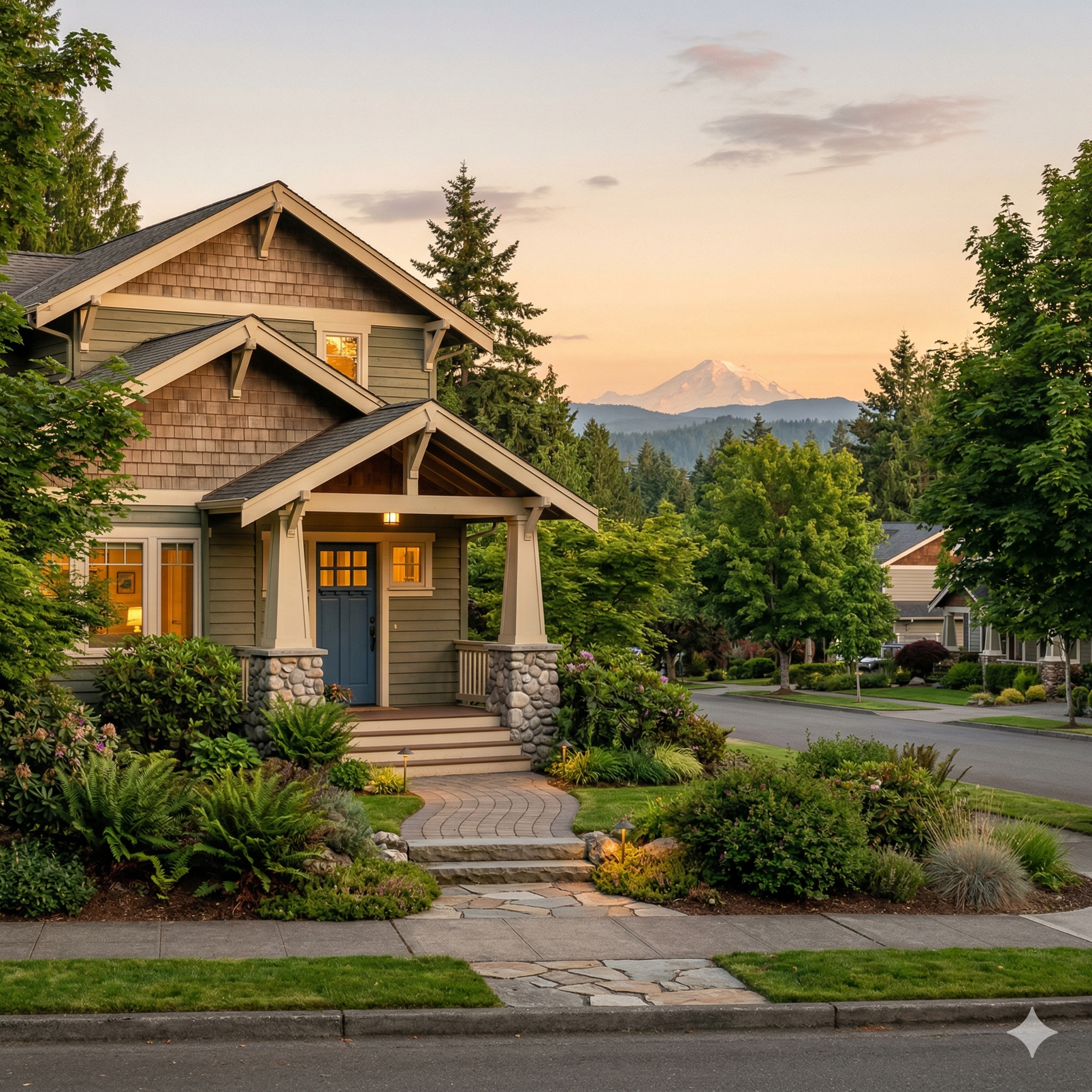

Should You Accept the First Offer on Your Home

Receiving an offer — especially early in your listing — can feel like a moment of decision pressure. Accept quickly and risk leaving money on the table. Wait for something better and risk losing the buyer you have. It's one of the more psychologically charged moments in the selling process, and it deserves a clear-headed framework rather than a gut reaction.
The short answer: whether to accept the first offer depends entirely on the offer itself, not on the fact that it's first. A strong first offer deserves serious consideration. A weak one doesn't become better simply because waiting feels risky.
What's Really Going On When You Get an Early Offer
The first offer on a listing often arrives within the first week or two — sometimes within days. That timing can feel surprising, particularly if the seller expected more activity before any offers materialized. The instinct to wonder whether a faster offer means the home was underpriced is common and understandable.
In reality, an early offer is more often a sign that the home was priced correctly and marketed well. Motivated buyers move quickly on homes that are accurately priced. They've typically been watching the market, have their financing in order, and recognize a well-positioned home when they see one. A fast offer is frequently a compliment to the preparation and pricing strategy — not a signal that you left money on the table.
That said, the speed of an offer tells you less than the terms of the offer. A fast offer at full asking price with strong terms is a different situation than a fast offer significantly below asking with multiple contingencies. Evaluating what's actually on the table matters more than how quickly it arrived.
What This Looks Like in Bellingham and Whatcom County
In the current Bellingham market, most well-priced homes in active price ranges receive their offers within the first two to three weeks. An offer in the first few days typically means the buyer was already watching, moved quickly when the listing went live, and is genuinely motivated.
In the $650,000–$800,000 range in Bellingham, the buyer pool is more concentrated and buyers tend to be well-advised. An offer from a buyer in that range has often been through several rounds of competition elsewhere and knows what they want. When they make an offer, it's typically considered rather than casual.
In smaller Whatcom County communities where buyer activity is less frequent — Lynden, Everson, rural areas — a first offer sometimes represents a significant portion of the realistic buyer pool for that home. In those markets, passing on a reasonable first offer to wait for better carries more risk than it does in more active segments of the Bellingham market.
When Waiting Makes Sense
There are situations where holding an offer to see if additional interest develops is a legitimate strategy. If your home has generated significant showing activity in the first few days and you have reason to believe multiple buyers are considering offers, waiting a short period — typically asking all interested parties to submit by a specific deadline — can create competitive tension that improves terms.
This approach works when there is genuine evidence of competing interest. It does not work as a general strategy applied to every early offer regardless of market activity. Buyers who make strong offers early and are told to wait while the seller hopes for something better sometimes withdraw — particularly in a market where they have other options.
The decision to counter, accept, or wait should be driven by what the market is actually telling you — showing activity, agent feedback, and the terms of the offer itself — not by a general preference to hold out.
What I Advise Clients
When a first offer comes in, I walk sellers through a structured evaluation rather than an emotional one. We look at the offer price relative to asking and relative to recent comparable sales. We evaluate the contingencies — inspection, financing, appraisal — and what they mean for the transaction. We look at the proposed closing timeline and whether it works for the seller's situation. And we consider the buyer's financing — the strength of their pre-approval and their down payment position.
A strong offer at or near asking price, with reasonable contingencies, solid financing, and a workable timeline, deserves serious consideration regardless of when it arrived. Passing on that offer to wait for something better is a gamble — and in today's market, it's a gamble with real downside risk.
A below-asking offer with weak terms and uncertain financing deserves a counter or a pass, regardless of whether it's the first offer or the fifth.
The number that should anchor the decision isn't what you hoped to get — it's what the market will actually bear, based on current comparable sales. If the first offer is within that range and the terms are workable, accepting it is often the right call.
Why Planning and Timing Matter
Sellers who have done their pricing homework before listing are in a much stronger position when offers arrive. They know what comparable homes have sold for. They have a realistic sense of what their home should command in the current market. When an offer comes in, they can evaluate it against that baseline rather than against an aspirational number that may or may not reflect reality.
Sellers who haven't done that work sometimes make offer decisions based on emotion — holding out for a number they hoped for rather than the number the market supports. That approach can cost them the strong buyer they had in favor of a longer wait for an offer that may be no better, or worse.
Preparation and pricing clarity aren't just useful at listing — they're useful at every decision point in the transaction, including this one.
The Bottom Line
Whether to accept the first offer on your home depends on the offer, not the timing. A strong first offer — priced at or near market value with reasonable terms and solid financing — deserves serious consideration and often deserves acceptance. A weak first offer deserves a counter or a pass.
The sellers who navigate this moment best are the ones who evaluated their market carefully before listing, know what their home is realistically worth, and can assess an offer against that baseline with clarity rather than anxiety.
If you're trying to balance patience with smart action, start here:
👉 Start with a low-pressure home value and seller planning tool: https://www.andidyerrealestate.com/seller/valuation/
About the Author
Andi Dyer is a Bellingham-based real estate broker with REMAX Whatcom County, specializing in helping longtime homeowners and sellers make confident, well-informed decisions. With a calm, data-driven approach and strong negotiation expertise, Andi focuses on protecting equity, reducing stress, and guiding sellers through the process with clarity and care.
📍 Serving Bellingham and all of Whatcom County 📞 Call or text: 360 • 734 • 6479 📧 Email: andi [at] andidyer [dot] com
Zillow · Realtor.com · Homes.com · Google Business · Facebook · Instagram